The Role of Emotional Intelligence in Revenue Cycle Leadership
Posted on December 2, 2025 by Zak Kruse, CRCR
In healthcare revenue cycle management, where every patient encounter and financial decision matters, strong leadership requires more than technical skill or policy knowledge. Emotional intelligence (EQ) has become one of the most important leadership qualities for driving team performance, improving patient experiences, and maintaining organizational health.
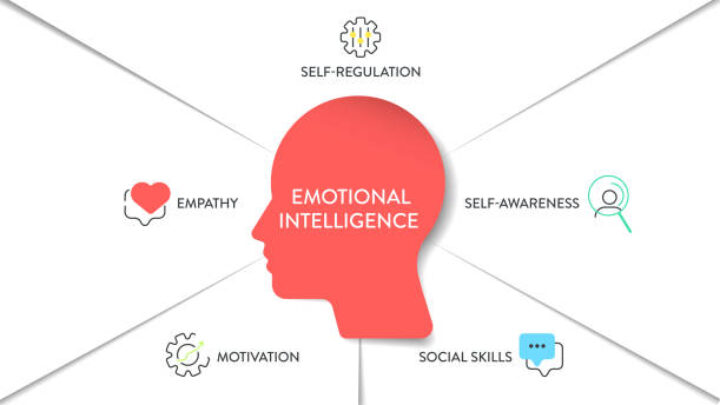
EQ is made up of five key elements: self awareness, self regulation, motivation, empathy, and social skills. When leaders understand their own emotions and manage them effectively, they can create steadier, more constructive environments even when pressure is high. Revenue cycle leaders face daily stressors…Denials, staffing challenges, patient financial concerns, and system changes and emotional intelligence helps them respond thoughtfully instead of reactively.
Teams led by emotionally intelligent leaders tend to communicate better, resolve conflict faster, and remain engaged during times of change. These leaders know how to connect the “why” behind each process or metric, helping their teams see meaning in the work they do. That connection not only supports retention and morale, it also improves accuracy and patient satisfaction.
Developing emotional intelligence takes practice. It starts with being open to feedback, learning how your emotions affect others, and leading with empathy in both patient and staff interactions. When leaders approach challenges with emotional clarity and compassion, it builds trust and accountability across the revenue cycle.
Click here to learn more about emotional intelligence in healthcare leadership.
Ready to Start the Transformation?
Getting started begins with a simple conversation. Just leave a little bit of information, and one of our team members will be in touch to set up a time.